

Style rooted: understanding fashion roots for streetwear
TL;DR:
- Modern streetwear draws heavily from African textile traditions rooted in history and cultural identity.
- Understanding origin stories of fabrics like Ankara, Kente, and Adire enhances authentic self-expression.
- Supporting local artisans and knowing the cultural meanings behind designs strengthen community and tradition.
What if the freshest looks you see on the street today are actually centuries old? Much of what defines modern streetwear, from bold prints to layered silhouettes, draws directly from African textile traditions that predate any trend cycle. Clothing communicates identity, status, and beliefs, shaped over generations through trade, colonisation, and creative fusion. For young adults who care about what they wear and why, understanding those roots is not just interesting history. It is the foundation of genuine self-expression. This guide breaks down where African fashion roots come from, how they show up in today’s streetwear, and how you can wear them with real intention.
Table of Contents
- Why fashion roots matter in modern streetwear
- Tracing fashion roots: Methods and materials
- Modern streetwear: Fusing heritage with innovation
- Streetwear and self-expression: Youth, community, and digital revival
- A fresh take: Authentic style means rooting trends in respect and intention
- Bring culture into your streetwear: Shop authentic, inspired designs
- Frequently asked questions
Key Takeaways
| Point | Details |
|---|---|
| Rooted style empowers identity | Understanding fashion roots lets you express yourself authentically and confidently. |
| Modern streetwear honours heritage | Streetwear gains depth and originality by blending African traditions with new trends. |
| Support makes a difference | Choosing local-made and artisan-inspired designs helps preserve culture and boost communities. |
| Trendsetters know their history | Respectful, informed choices keep African streetwear fresh and relevant. |
Why fashion roots matter in modern streetwear
Streetwear is not just clothing. It is a statement. Every hoodie, graphic tee, or oversized fit you reach for carries a story, whether you know it or not. When that story connects to real cultural heritage, the piece becomes something far more powerful than a trend. It becomes a symbol of identity.
Understanding your fashion roots gives your style a backbone. Instead of chasing whatever is popular this season, you build a wardrobe that actually means something. That is the difference between wearing a pattern because it looks cool and wearing it because you understand what it represents.
This matters especially when it comes to avoiding cultural appropriation. Borrowing aesthetic elements without knowledge or credit reduces living traditions to costumes. But when you engage with heritage thoughtfully, you become part of a larger cultural conversation rather than someone talking over it.
Young adults are already leading this shift. 78% of adults view clothing as self-expression, and 65% actively prefer locally made pieces. That is not a coincidence. It reflects a generation that wants its fashion choices to carry weight.
The economic dimension matters too. Buying from brands and artisans rooted in African heritage supports real communities and keeps craft traditions alive. When you spend on culturally grounded streetwear, you are investing in something that goes beyond your wardrobe.
Here is what understanding fashion roots actually enables:
- Authentic personal style that reflects who you are, not just what is trending
- Informed choices that respect the origins of the designs you wear
- Community connection with designers, artisans, and creatives who share your values
- Economic impact by supporting independent and heritage-rooted brands
“Gen Z is reclaiming ‘native’ fabrics, merging cultural pride with economic power through indie brands that put heritage at the centre of every design.”
This is the generation rewriting the rules. And it starts with knowing the story behind what you wear. Explore how streetwear, heritage, and identity intertwine to shape the clothes that define this cultural moment.
Tracing fashion roots: Methods and materials
So how do we actually trace where these fashion traditions come from? It is not as simple as looking something up online. Researchers and designers use a range of methods to connect today’s aesthetics to their historical sources.
Methodologies include historical records, archaeology, oral history, artefact study, and interviews, with discoveries like the Igbo Ukwu site in 9th-century Nigeria revealing just how sophisticated early West African textile culture truly was.
Here are the key ways fashion roots are traced and understood:
- Historical records and manuscripts that document trade routes and textile production across West Africa
- Archaeological artefacts such as dyed cloth fragments and weaving tools that reveal ancient techniques
- Oral histories passed down through generations of weavers, dyers, and tailors
- Living artisan interviews that capture knowledge not recorded anywhere else
- Museum collections that preserve physical examples of pre-colonial and colonial-era textiles
Three fabrics stand at the centre of African streetwear’s visual identity. Here is how they differ and how they are being reimagined:
| Fabric | Origin | Key characteristic | Modern streetwear use |
|---|---|---|---|
| Ankara | West Africa | Bold geometric prints, wax-resist dyed | Hoodies, joggers, bomber jackets |
| Kente | Ghana (Ashanti) | Woven silk and cotton, symbolic colour patterns | Accents on trainers, caps, and collars |
| Adire | Nigeria (Yoruba) | Indigo resist-dyed, hand-crafted patterns | Oversized tees, sweatshirts, accessories |
Each of these fabrics carries specific meaning. Kente patterns, for example, are not just decorative. Each colour and weave combination communicates something specific about status, occasion, and identity. Wearing it without that context is like quoting someone without knowing what the quote means.
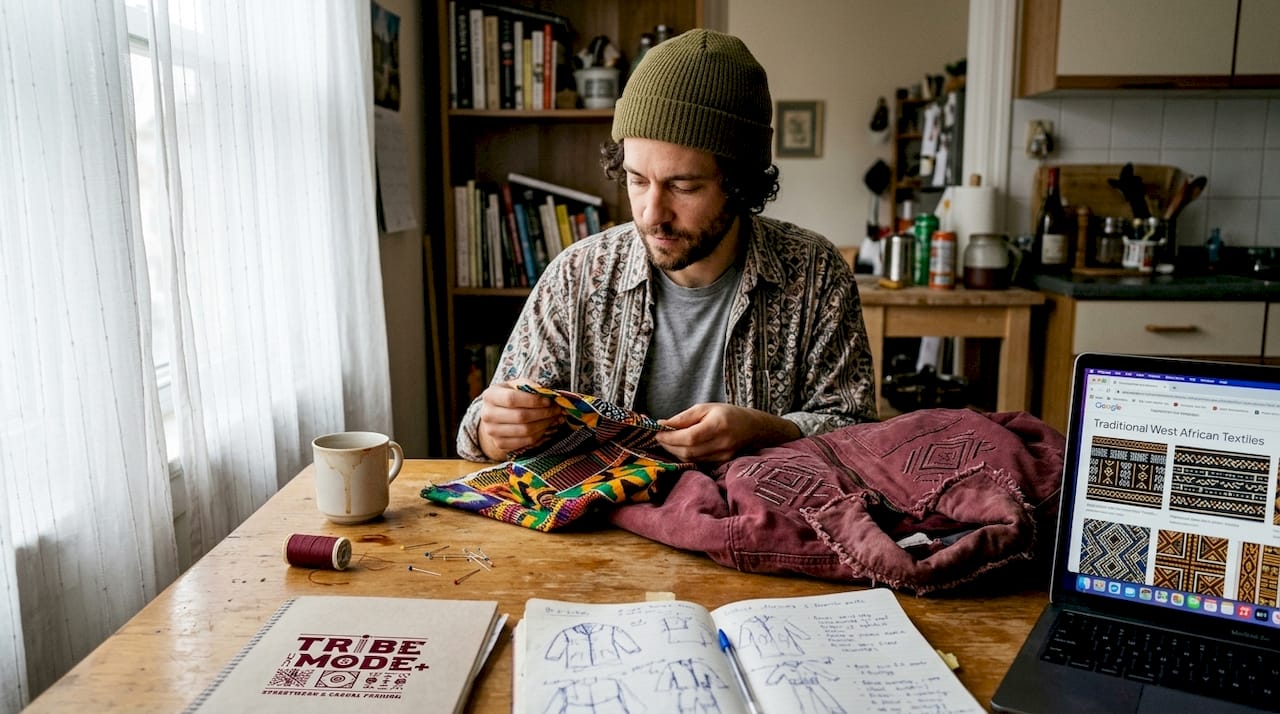
Pro Tip: Before incorporating a heritage fabric into your look, spend ten minutes researching its origin. Even a basic understanding of what a print represents changes how you carry it and how others receive it. Understanding how art shapes fashion design gives you a sharper eye for which pieces are genuinely rooted in tradition.
Modern streetwear: Fusing heritage with innovation
Heritage does not mean old-fashioned. The most exciting thing happening in streetwear right now is the collision between ancient textile traditions and completely contemporary silhouettes. The result is a visual language that feels both timeless and urgently now.
Modern African streetwear fuses heritage prints with hoodies, sneakers, and oversized fits as a primary vehicle for Gen Z and young adult self-expression. This is not a niche movement. It is reshaping global fashion.
The hybrid styles emerging from this fusion are genuinely creative:
- Ankara hoodies that pair wax-print panels with clean cotton fleece
- Kente-trimmed trainers where traditional weave accents replace standard branding
- Adire oversized tees that use indigo resist patterns as the main graphic
- Mixed-media outerwear combining leather or nylon shells with heritage fabric lining
Here is how traditional and modern elements compare in practice:
| Element | Traditional use | Modern streetwear adaptation |
|---|---|---|
| Bold geometric prints | Ceremonial cloth and formal wear | Statement hoodies and bomber jackets |
| Indigo dyeing | Ritual and everyday garments | Washed-effect tees and sweatshirts |
| Woven colour patterns | Status and occasion signalling | Accent panels on footwear and caps |
| Layered silhouettes | Cultural dress codes | Oversized fits and drop-shoulder cuts |
The key to making these combinations work is balance. Pairing a busy Ankara print with a neutral base, plain black trousers and white trainers, lets the heritage element breathe without overwhelming the look. Understanding modern streetwear trends helps you see where heritage fits naturally rather than feeling forced.
Pro Tip: When building a heritage-inspired outfit, let one piece do the talking. If your hoodie carries the cultural weight, keep everything else minimal. The oversized fit explained in detail shows how silhouette choices amplify or soften the cultural impact of a print. And if you want practical outfit ideas, the guide on how to style sweatshirts African streetwear is worth bookmarking.
Streetwear and self-expression: Youth, community, and digital revival
Streetwear has always been about belonging. What makes the current African streetwear movement different is the speed and scale at which young people are using it to reclaim identity on a global stage.
Social media is the accelerant. Instagram and TikTok drive rapid trend sharing, with Afrobeats providing the cultural soundtrack that ties fashion to music, movement, and community. A look posted from Lagos or Accra can influence what someone wears in London or Toronto within days.
For the 18 to 30 demographic, understanding roots enables authentic self-expression. The practical application is straightforward: balance heritage prints with modern neutrals, and actively support the artisans behind the fabrics you wear.
The values driving this movement include:
- Community over corporations, prioritising indie brands and local makers
- Sustainability, choosing quality pieces that last rather than fast fashion that fades
- Digital storytelling, using social platforms to share the meaning behind the clothes
- Economic solidarity, spending with brands that reinvest in African creative communities
“The youth-driven streetwear revival is powered by social networks, Afrobeats, and thrifting culture, but faces real risks from the digital divide and mass-production dilution that strips heritage of its meaning.”
That last risk is worth taking seriously. When large corporations mass-produce African-inspired prints without context or credit, it flattens something rich and specific into a generic aesthetic. The antidote is consumer awareness. Knowing where your clothes come from and who made them is the most direct way to push back against that dilution.
The luxury streetwear guide explores how premium quality and cultural meaning intersect, which is directly relevant for anyone who wants their streetwear to carry both weight and longevity.
A fresh take: Authentic style means rooting trends in respect and intention
Here is something the fashion industry rarely says out loud: knowing the history of what you wear is not a burden. It is actually your biggest creative advantage.
Most people chase trends because they do not have a stronger reference point. But when you understand the foundations of African textile heritage, you stop needing trends to tell you what looks good. You already know, because your choices are grounded in something real.
The brands and individuals who consistently stand out are not the ones following every seasonal shift. They are the ones who have done the work to understand what their style is actually saying. That knowledge makes every outfit decision sharper and more intentional.
Community keeps heritage alive, not corporations. The weavers, dyers, and designers who carry these traditions forward are the real innovators. Supporting them financially and crediting them publicly is not optional politeness. It is how the culture survives and grows.
True innovation in streetwear means remixing traditions with full awareness of what you are working with. Explore more on streetwear heritage stories to see how the most compelling style narratives are always built on genuine foundations.
Bring culture into your streetwear: Shop authentic, inspired designs
You now have the context. The next step is finding pieces that actually live up to it.
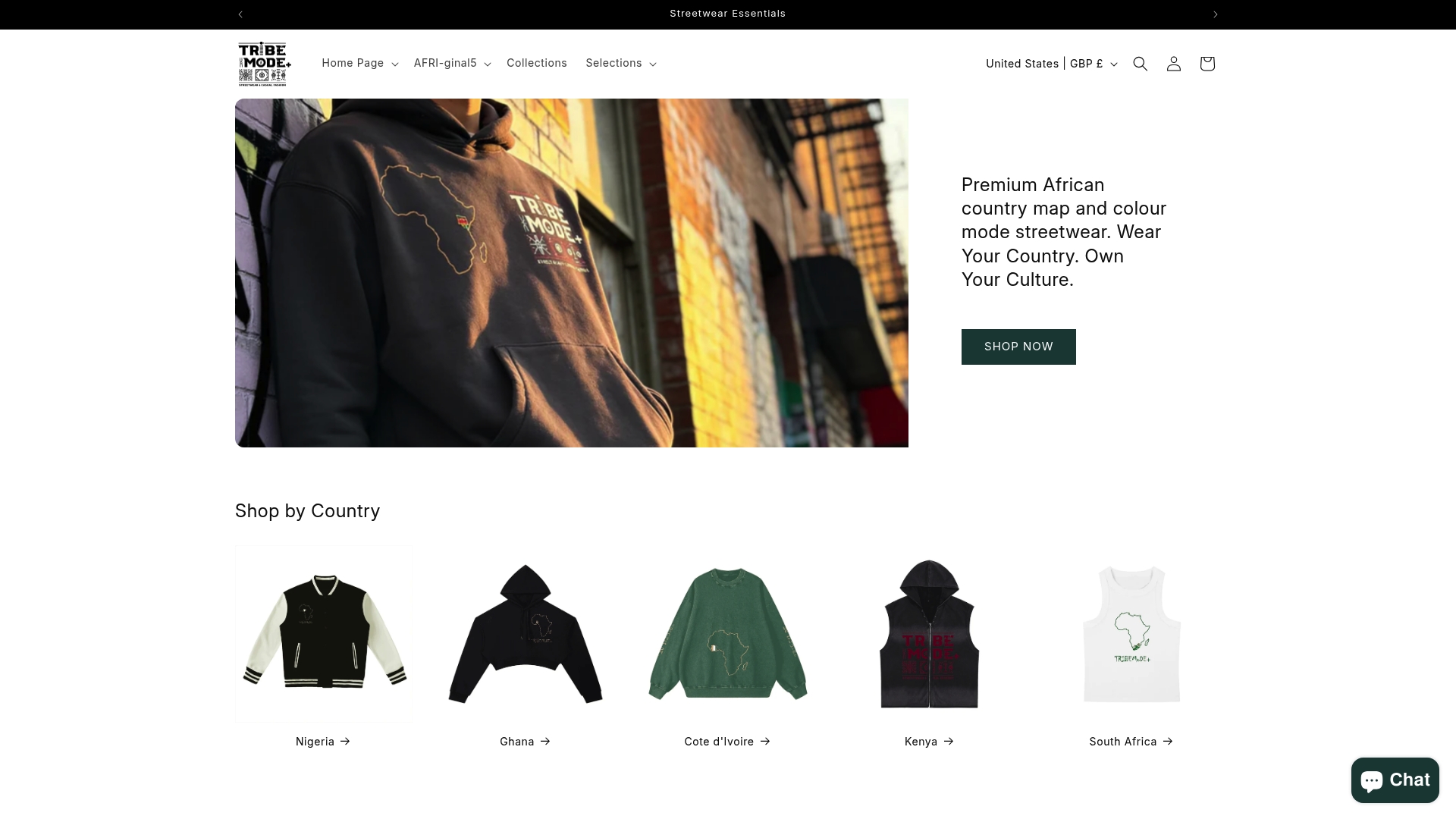
At Tribemodeplus, every design is built around the intersection of African heritage and contemporary streetwear. From bold statement hoodies to premium sweatshirts, each piece is made to carry cultural meaning without sacrificing comfort or style. Browse the full range of Africa cultural designs to find looks that reflect where you come from and where you are going. If you want a specific starting point, the drop shoulder sweatshirt brings together modern silhouette and cultural detail in one premium piece. Wear something that means something.
Frequently asked questions
What are the most iconic African fabrics in streetwear today?
Ankara, Kente, and Adire are the most recognisable fabrics, featured in shirts, hoodies, and accessories. Each carries distinct cultural meaning rooted in specific West African traditions that go far beyond their visual appeal.
How can I make my streetwear style authentically African-inspired?
Mix heritage prints with modern cuts, support local artisans, and always credit the source of your inspiration. Authenticity comes from research, intentional purchasing, and giving visible credit to the communities behind the designs.
Why do young adults prefer local-made streetwear?
Local streetwear supports community economies and allows for genuine self-expression through culturally relevant designs. 65% of consumers prefer local-made clothing precisely because it connects identity to craft in a way mass-produced fashion simply cannot.
What role does social media play in African streetwear trends?
Platforms like Instagram and TikTok drive rapid trend sharing, facilitating a youth-led revival of African streetwear across global audiences. Social media also gives independent African designers direct access to international markets without needing traditional retail gatekeepers.