

Oversized fit explained: streetwear's cultural edge
TL;DR:
- Oversized fit is a deliberate, cultural silhouette signaling confidence and resistance.
- It embodies inclusivity, self-expression, and historical roots across various cultures.
- Style it with balance by contrasting loose tops with fitted bottoms for a sharp look.
There’s a stubborn idea that wearing oversized clothing means you’ve given up on looking good. That couldn’t be further from the truth. Oversized fit is one of the most deliberate, culturally loaded choices you can make with your wardrobe. It signals confidence, roots, and a refusal to be squeezed into someone else’s idea of style. This guide breaks down what oversized fit actually means, why it carries so much cultural weight, how it compares to other silhouettes, and how to wear it without looking like you borrowed your dad’s jumper.
Table of Contents
- What is oversized fit? Breaking down the essentials
- How oversized fit shapes cultural identity and self-expression
- Oversized versus other fits: A style comparison
- How to style oversized fit: Proportions, tips, and styling mistakes
- Why oversized fit isn’t just a trend: Our take
- Find your oversized fit streetwear style
- Frequently asked questions
Key Takeaways
| Point | Details |
|---|---|
| Oversized fit defined | Designed to be roomy, oversized fit is a purposeful style for freedom and bold silhouettes. |
| Cultural expression | Oversized fit is about cultural identity, music influences, and inclusivity for all genders and bodies. |
| Style with intention | Successful oversized looks balance proportions and quality to stay sharp, not sloppy. |
| Trend but timeless | Oversized may shift on runways but endures as a statement for comfort and self-expression in streetwear. |
What is oversized fit? Breaking down the essentials
Oversized fit is not about grabbing a size XL when you’re a medium. It’s a deliberately engineered silhouette, cut wide, long, and relaxed from the very start of the design process. The shoulders drop below your natural shoulder line, the sleeves extend past the wrist, and the body of the garment hangs loose with room to breathe. That intentional construction is what separates true oversized from simply wearing the wrong size.
The history of oversized fashion stretches back decades, but its streetwear roots run deepest through 90s hip-hop culture, where baggy silhouettes became a visual language of freedom and resistance. From there, it moved through Y2K aesthetics, Japanese Harajuku street style, and K-pop’s gender-fluid approach to dressing. Each era added a new layer of meaning to the silhouette.
Key style markers of a genuine oversized fit include:
- Dropped shoulders sitting two to four centimetres below the natural shoulder line
- Extended sleeves that reach or pass the knuckles
- Roomy chest and back with significant ease across the torso
- Longer hem that falls to the hip or below
- Relaxed neckline that sits wide or low without pulling
The pandemic accelerated everything. With people stuck at home and comfort suddenly non-negotiable, oversized pieces became the default. Social media then amplified the look globally. Oversized reflects self-expression, cultural identity, body positivity, and comfort, all boosted by pandemic life and the rise of platforms where personal style became public performance.
Here’s how oversized compares to other common fits at a glance:
| Feature | Oversized | Regular | Slim or fitted |
|---|---|---|---|
| Shoulder seam | Dropped | On the shoulder | On or above |
| Body room | Very roomy | Moderate | Close to body |
| Sleeve length | Extended | Standard | Standard or cropped |
| Typical setting | Street, casual, creative | Everyday, work | Smart casual, formal |
| Style vibe | Bold, expressive | Versatile | Polished, structured |
If you’re new to the silhouette, exploring oversized hoodie style is one of the easiest entry points. And if you want the bigger picture of where oversized sits within the broader scene, the luxury streetwear guide puts it all into context.
How oversized fit shapes cultural identity and self-expression
Oversized fit has never just been about comfort. It’s a cultural language, and learning to speak it means understanding where it comes from.
In 90s hip-hop, baggy clothes were a direct pushback against mainstream fashion’s obsession with fitted, tailored silhouettes. Artists like Tupac, Aaliyah, and TLC wore oversized as armour and identity simultaneously. K-pop brought a different energy, using oversized pieces to blur gender lines and create a visual aesthetic that felt both soft and powerful. Y2K fashion layered oversized hoodies over low-rise jeans, creating a specific nostalgia that Gen Z has fully reclaimed.
“Oversized style is not a trend. It’s a vocabulary. When you wear it, you’re referencing decades of cultural resistance, creativity, and community.”
The trend evolution from flappers to Gen Z is remarkable. Even 1920s flappers wore deliberately loose silhouettes as an act of liberation. The pandemic then accelerated adoption across every demographic, making inclusivity central to the conversation.

What makes oversized particularly powerful today is its inclusivity. It works across genders, body sizes, and identities without demanding conformity. You don’t need a specific body type to wear it well. That’s a radical departure from most fashion categories, which have historically been designed around a narrow physical ideal.
For young adults aged 18 to 30, streetwear trend impact goes beyond aesthetics. It’s about belonging to a global community while still expressing something deeply personal. Social media has made this dynamic visible, turning individual style choices into collective movements almost overnight.
Oversized also connects directly to self-expression and cultural identity in ways that fitted clothing rarely can. A roomy silhouette creates visual space for bold graphics, cultural motifs, and statement prints to breathe. When Tribemodeplus designs an oversized piece with African-inspired patterns, the fit isn’t incidental. It’s the canvas. Explore oversized sweatshirt style to see how that canvas comes to life.
Oversized versus other fits: A style comparison
Knowing what oversized is and why it matters is one thing. Knowing when to choose it over other fits is where real style confidence begins.
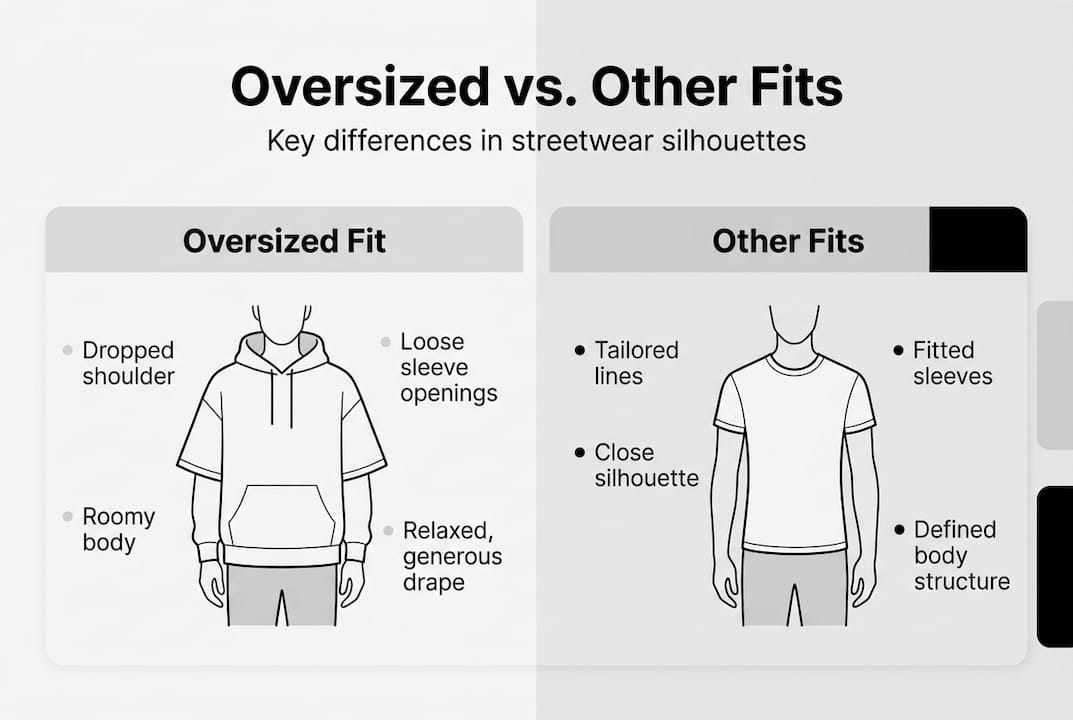
Runways in 2026 are telling a complicated story. High fashion is shifting toward slim and fitted silhouettes, with houses like Prada and Burberry favouring structured, close-cut tailoring. But here’s what that narrative misses: runway fashion and streetwear have always operated on different timelines and for different audiences. What disappears from a catwalk in Milan doesn’t vanish from the streets of London, Lagos, or Seoul.
Oversized remains the dominant language of casual and street dressing precisely because it serves real people in real life. It moves with you. It doesn’t restrict. And it communicates something that a slim-fit shirt simply cannot.
Here’s a practical guide to choosing the right fit for the moment:
- Casual days and creative settings favour oversized. The relaxed silhouette signals ease and confidence without trying too hard.
- Smart casual occasions work well with regular fit. It’s versatile enough to dress up or down without committing to either extreme.
- Formal or structured environments lean towards slim or fitted cuts. The close silhouette reads as intentional and polished.
- Cultural events, gigs, or social gatherings are where oversized shines brightest. The visual impact is immediate and expressive.
- Layering outfits benefit from oversized outer layers paired with slimmer inner pieces to create depth without bulk.
The key insight from understanding changing fit trends is that no single silhouette owns every context. Oversized is not competing with slim fit. They serve different moments, moods, and messages. The most stylish people know which to reach for and when.
How to style oversized fit: Proportions, tips, and styling mistakes
Styling oversized well comes down to one principle: intentional balance. When everything is loose, nothing reads as deliberate. The goal is contrast.
The most reliable approach is to pair an oversized top with something fitted on the bottom. Slim-cut trousers, fitted joggers, or straight-leg jeans all create a visual anchor that lets the top do its work without the whole outfit looking shapeless. The reverse works too. An oversized hoodie tucked partially into wide-leg trousers creates a different kind of balance, one that’s more editorial and fashion-forward.
For styling oversized sweatshirts, consider these practical pointers:
- Tuck one side of the hem into your waistband for an asymmetric, intentional look
- Layer under a structured jacket to mix relaxed and sharp in the same outfit
- Let bold graphics face forward without accessories competing for attention
- Choose clean, minimal footwear to ground the silhouette without adding visual noise
On petite frames, oversized acts as a dress-like silhouette, which can be styled with cycling shorts or leggings underneath for proportion. On plus-size frames, oversized still achieves a relaxed, confident look without losing shape, particularly when the fabric has some structure to it.
Pro Tip: The quality of the fabric makes or breaks an oversized piece. A premium cotton or heavyweight fleece holds its shape and drapes with intention. A thin, cheap fabric just sags. When you’re browsing casual oversized sweatshirts, always check the fabric weight before you buy.
The most common mistakes are over-layering and poor fabric choices that turn a bold silhouette into a shapeless mess. Adding too many oversized pieces in one outfit loses all sense of proportion. One statement oversized piece per outfit is usually the strongest move. The oversized trend empowers movement and bold silhouettes, but proportion balance is what keeps it sharp rather than sloppy.
Why oversized fit isn’t just a trend: Our take
Every few seasons, someone declares oversized dead. Every time, the streets prove them wrong.
Our perspective is straightforward: oversized fit has never been about fashion cycles. It’s a living, evolving language for self-identity. It connects wearers to music, culture, community, and history in a way that a slim-fit shirt simply cannot replicate. When you put on a well-made oversized piece, you’re not following a trend. You’re making a statement about who you are and where you come from.
What makes it genuinely timeless is its adaptability. Oversized absorbs new cultural influences without losing its core meaning. African heritage, hip-hop history, K-pop aesthetics, and gender-fluid dressing all coexist within the same silhouette. That’s not coincidence. That’s the lasting impact of streetwear as a cultural force.
Runways will keep swinging between fitted and loose. But for young adults who dress with purpose, oversized fit will keep showing up. Because it was never just about the clothes.
Find your oversized fit streetwear style
You now have the knowledge to wear oversized fit with real intention. The next step is finding pieces that actually mean something to you.
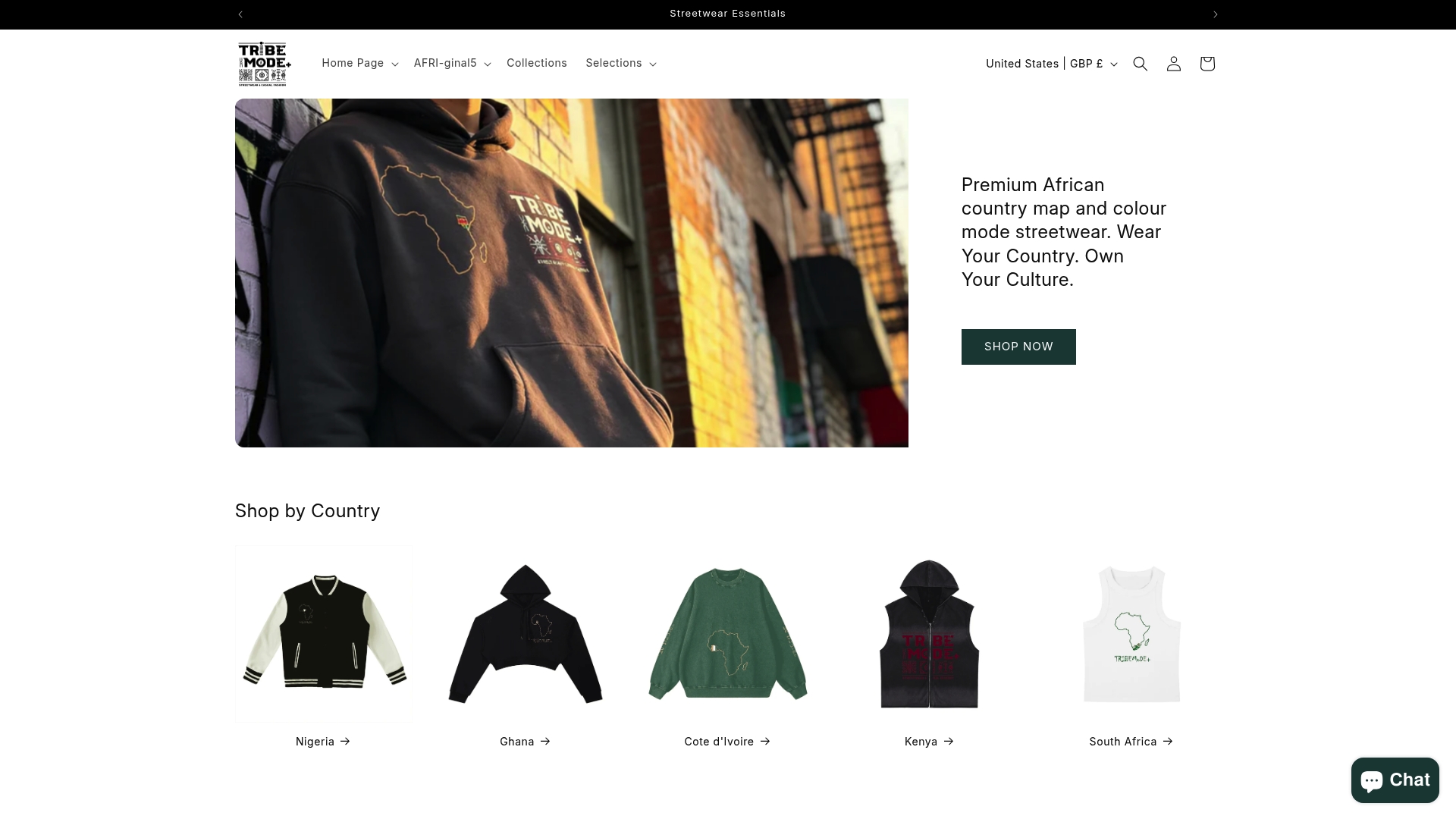
At Tribemodeplus, every oversized piece is designed with cultural storytelling at its core. From Africa-inspired oversized designs that carry heritage into everyday dressing, to stripe cropped hoodies that blend bold colour with contemporary silhouettes, there’s something here for every expression of identity. These aren’t just clothes. They’re a way of saying something without speaking. Head to Tribemodeplus and find the oversized piece that speaks your language.
Frequently asked questions
How can you tell if a fit is truly oversized?
A truly oversized fit is deliberately cut wide with dropped shoulders, extended sleeves, and a roomy silhouette, not simply a larger size of a standard cut.
Can petite or plus-size people wear oversized fit?
Absolutely. Petite frames can style oversized as a dress-like silhouette with fitted bottoms, while plus-size wearers achieve a relaxed, confident look without losing shape.
Is oversized fit going out of style in 2026?
High fashion runways favour fitted silhouettes from houses like Prada and Burberry in 2026, but oversized continues to dominate streetwear for self-expression and everyday comfort.
What are the biggest mistakes to avoid with oversized style?
The biggest mistakes are over-layering and poor fabric choices that create a shapeless look. Always balance one oversized piece with something more fitted.
What makes oversized fit popular with Gen Z?
Oversized appeals because it combines comfort, cultural identity, and inclusivity, amplified by music, social media, and the lasting influence of hip-hop, K-pop, and Y2K aesthetics.
Recommended
- How trends shape modern streetwear: 70% under 25 – TRIBEMoDE+
- How art shapes fashion design for bold, culture-driven style – TRIBEMoDE+
- What is Luxury Streetwear? A Guide to a Modern Style Movement – TRIBEMoDE+
- Oversized Sweatshirt – TRIBEMoDE+
- Streetwear origins, evolution, and global impact 2026 – INCIDENT